

PoE simplifies installation only when the power available on the port matches the real demand of the endpoint. In practice, the biggest mistakes appear with PTZ cameras, which often draw more power than fixed cameras, and with legacy devices that use Ethernet for data but do not support PoE power input.
When a 60 W injector is required
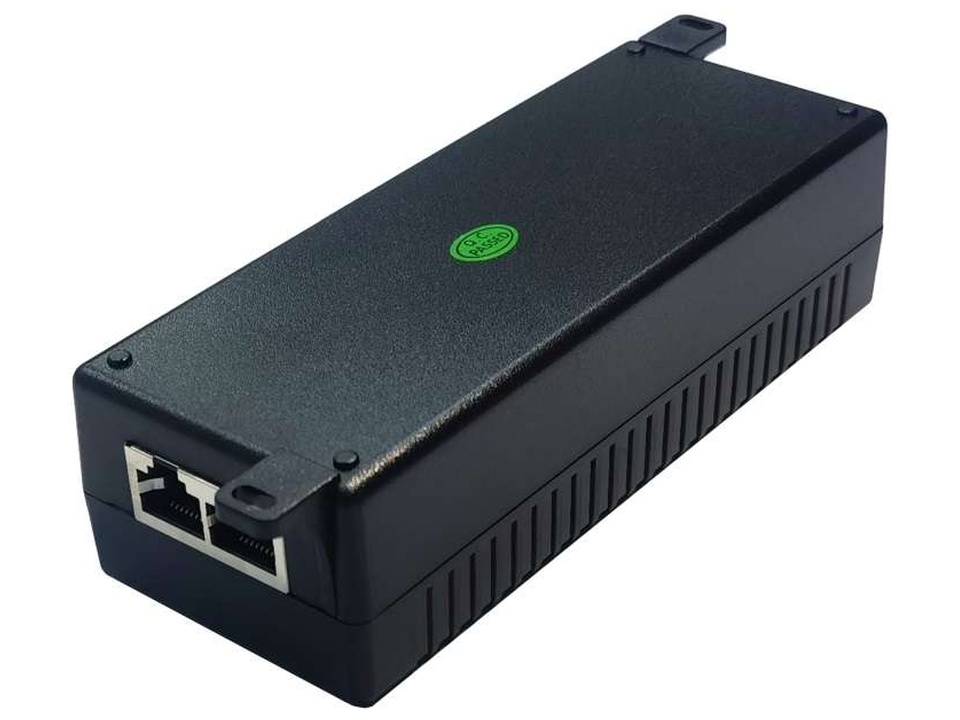
If a PTZ camera uses a heater, a powerful illuminator, fast pan-tilt mechanics, or additional modules, the 802.3af standard may be insufficient. In that case, the correct answer is an 802.3bt port or a dedicated PoE++ injector such as the
How to bring a legacy 12 V DC device into a modern PoE network
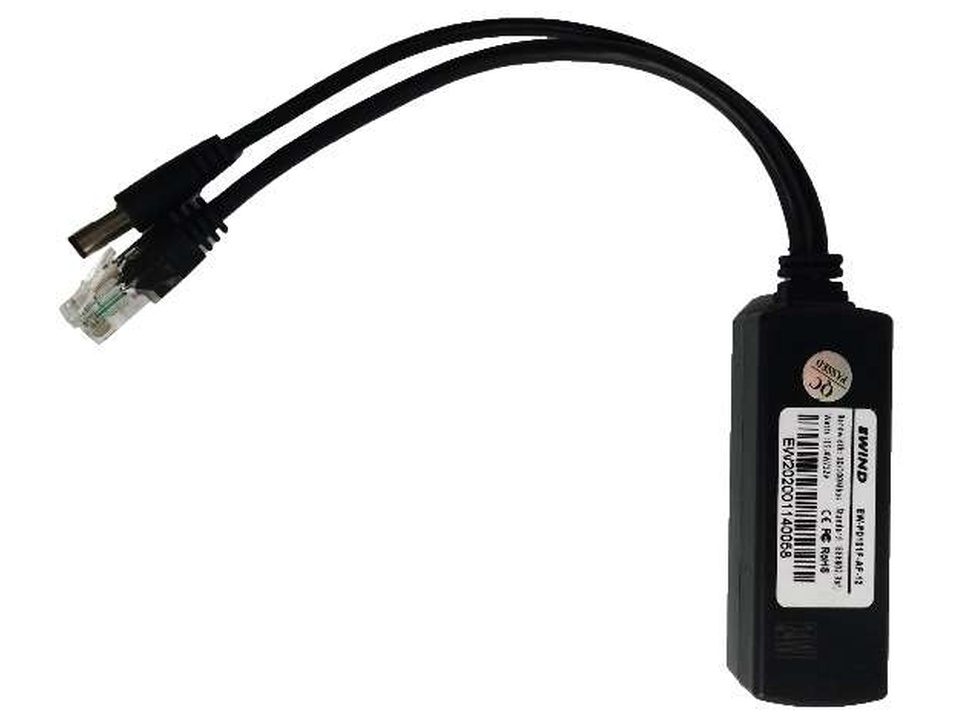
In the opposite direction, a PoE splitter takes power from the Ethernet line and separates it into data and DC output for the endpoint. The
A PoE design must be calculated as a whole
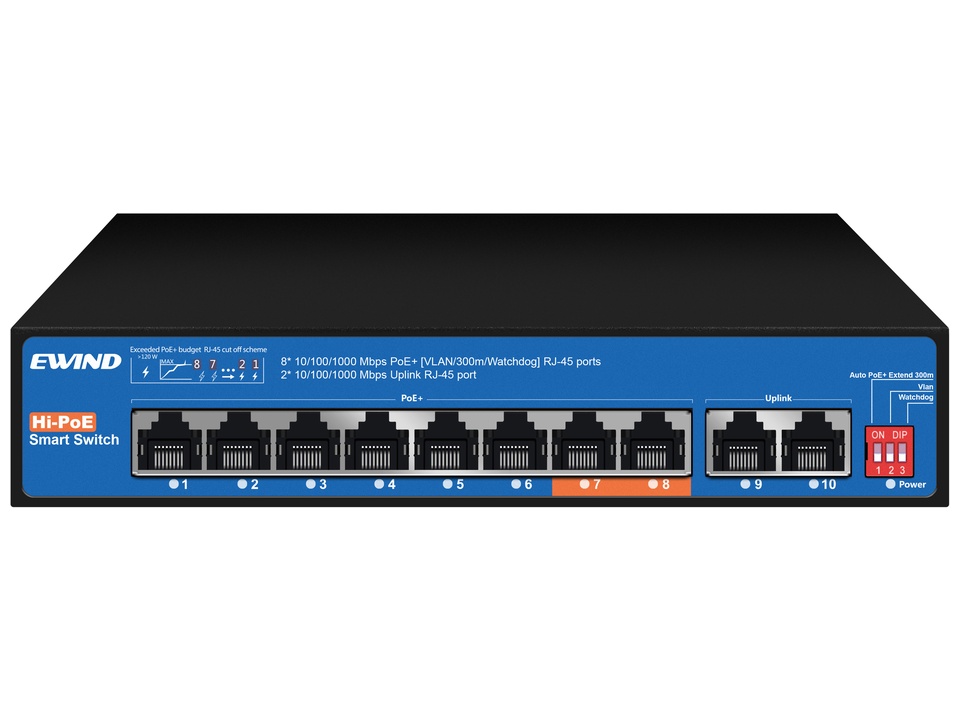
Selecting the power standard alone is not enough. The installer still has to calculate peak load, voltage drop over long runs, the total switch budget, and the operating conditions of the endpoints. Only then is it clear whether a single