

Not every remote location is worth connecting with cable. If the task is to bring cameras to an entrance gate, link two buildings on the same site, or provide Wi-Fi coverage across a warehouse yard, a wireless solution can cut deployment time from weeks to a single day. The key is to distinguish between a wireless bridge used to transport traffic and an access point whose role is to serve mobile clients.
CPE bridge for point-to-point and point-to-multipoint links
CPE-class devices are used where the priority is to establish a stable link between locations. The
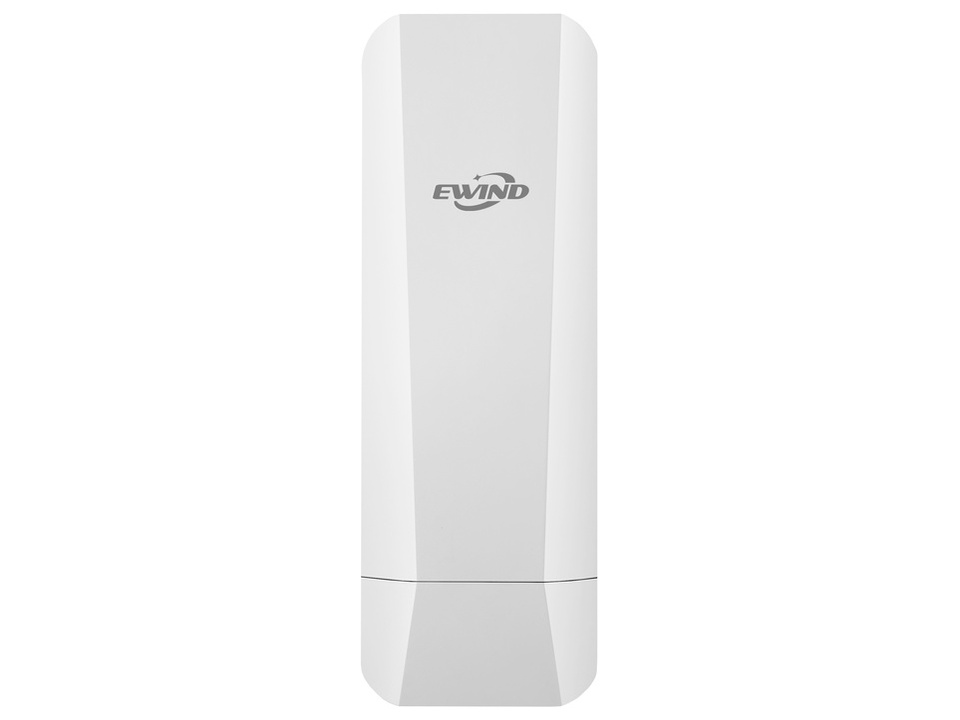
An outdoor access point is not a bridge but an access layer for users
If the objective is to serve phones, warehouse terminals, service tablets, or guest devices, the correct choice is an outdoor access point. The
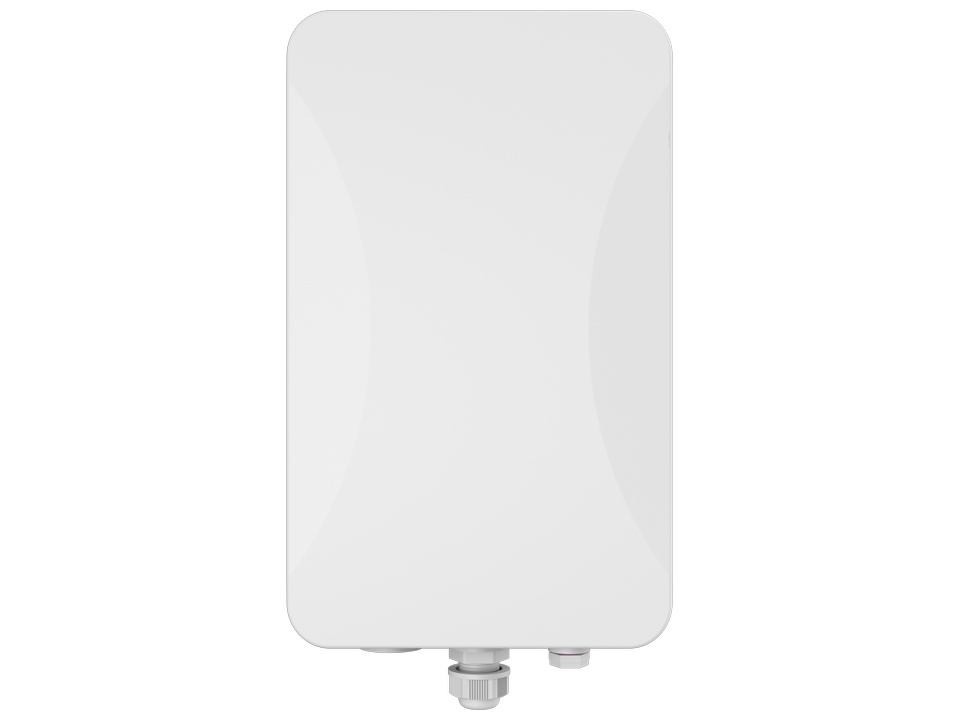
How to combine both scenarios in one project
In many facilities, both device types operate side by side. The CPE bridge carries traffic from a remote location back to the main building, while the outdoor AP serves users and mobile devices locally. This division of roles keeps the design clear, simplifies troubleshooting, and avoids the common mistake of trying to serve client Wi-Fi through hardware intended for transparent bridge operation.